Pages

Showing posts with label live longer. Show all posts

Monday, May 9, 2016

Donie's Ireland daily news BLOG update

Independent Ministers target housing and judge selection

FINIAN MCGRATH AND SHANE ROSS TAKE TO AIRWAVES AND PRINT TO SET OUT PRIORITIES.

    Judicial Appointments Press Conferences

FINIAN MCGRATH (LEFT) AND SHANE ROSS HAVE LISTED AFFORDABLE HOUSING AND LAWS TO ENSURE JUDGES ARE SELECTED ON MERIT AMONG THEIR RESPECTIVE PROMISES FOR GOVERNMENT.

New legislation for affordable housing and laws to ensure judges are selected on merit are among the promises set out by the Government’s two newly appointed members.
Minister of State, Finian McGrath and his Independent colleague, now Minister for Transport Shane Ross, on the airwaves and in print, have been setting out their priorities.
Mr McGrath told RTÉ Radio One’s Brendan O’Connor that he was working on legislation with voluntary housing groups, in relation to affordable housing.
“I’ll probably have that bill ready to roll in maybe four or five week’s time,” he said.
But, he said, in terms of housing, the priority was to deal with the 1,100 families living in crisis accommodation and he suggested that could be done through the use of local authority houses that are boarded-up.
“You cannot have young kids living in hotels and trying to go to school and be normal, that’s solvable if we move quickly,” he said.
He “got a lot of stuff on disabilities” into the programme for government, and also on extending the medical for families on the domiciliary care allowance.
His key areas were health, disability and cystic fibrosis, he said.
“Of course it is a huge political risk for me, but I’m about trying to deliver for the people,” he said.
“It’s going to be very, very difficult, I’m getting it in the neck, but I can take it in the neck any day of the week, if I can deliver on cystic fibrosis, disabilities and health issues.”
He also said some taxes would be going up, and there would be a sugar tax, and more tax on tobacco.

MENTAL HEALTH

He said there was a “good section” in the programme for government on mental health. Issues to be tackled included access to mental health services at primary care and youth mental health, he said.
“We also have phrases [in the programme] like more 24/7 service and liaison teams at primary and emergency care,” Mr McGrath said.
He said “the Government knows if we don’t get particular issues, we are fighting like hell for them”.
In his role as a Super Junior Minister, Mr McGrath can attend Cabinet meetings and speak, but not vote.
He said he had not paid the water charges. Asked if he would agree to pay if the Dáil accepted a recommendation to impose charges by a commission to be appointed to examine the issues, Mr McGrath said he would listen to the democratic vote.
He also highlighted a section in the programme for government, which allowed for “times in the Dáil when the whip is loosened”.
“The world doesn’t fall apart when that happens, by the way, it happens in other parliaments, 25% of other parliaments across the world have free votes,” he said.
In his column in the Sunday Independent, Mr Ross highlighted his commitment to “ridding Irish life of insiders and cronyism”, including in the appointment of judges.
“New legislation, ensuring that judges are selected on merit and no longer on political patronage, is now on the way,” he said.
“The old system will be replaced by a selection body with a lay majority and an independent lay chairperson. Politicians and judges will no longer choose our judges.”

STATE BODIES

He also said the selection of directors for state bodies will be “unrecognisably reformed”. He said the Taoiseach had agreed to abolish the Economic Management Council, which had been made up of the Taoiseach, the Tánaiste, the Minister for Finance and the Minister for Public Expenditure and Reform.
On his appointment to transport, he said his “views on semi-states in permanent convalescence” were well documented. He said he wrote a whole chapter in a book about the goings on in Iarnród Éireann, and once suggested fares should be restricted to €1, and there should be “wholesale culling of the boards of quangos”.
“I am really looking forward to my first meeting with some of the organisations which have received harsh criticism in this column,” he said.
“God knows how the bearded trade unionist Jack O’Connor and I will get on if we ever have to sit across the table over the Luas strike or any other dispute. Everyone says he is really nice, committed guy, but we have a bit of a history.”
Mr Ross said the difficulties in transport are formidable, yet the unique background to the formation of the government suggests that real reform is possible.

HSE board gives its approval to €900m digital e-health plan


THE NEW NATIONAL CHILDREN’S HOSPITAL WILL BE THE FIRST SITE TO GO LIVE WITH DIGITAL HEALTH RECORDS

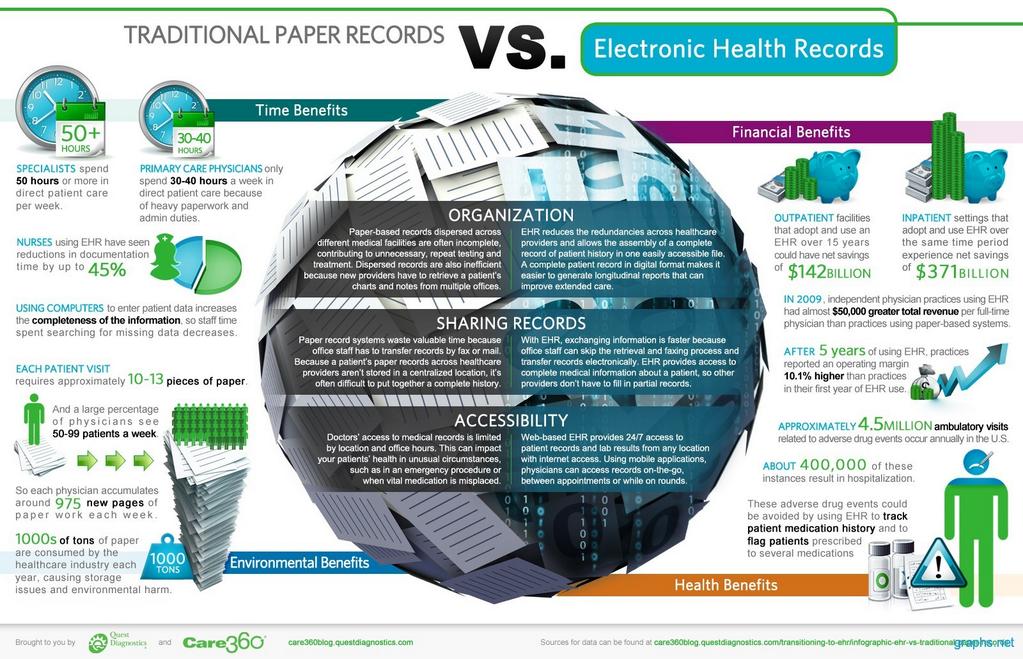
The Health Service Executive has approved the business case for a €900m e-health plan designed to digitalise Ireland’s health system.
The intention is to provide digital health records for all Irish patients by the middle of 2019. The first site that will go live with electronic health records will be the National Children’s Hospital.
Multi-million state contracts will probably be awarded to private companies to deliver the plan.
Having secured the HSE board’s approval, the business case will now go to the Department of Health for sign-off and ultimately to the Government.
The nine-year plan is being spearheaded by HSE chief information office Richard Corbridge. It will cost between €609m and €875m.
A 12-month process to find companies to deliver the plan should begin at the end of this year, if the necessary approval is secured on time.
The funding structure is not yet decided upon but the plan can be divided into four clear parts, Corbridge said.
The HSE first began talking with potential vendors in November 2014. Forbes estimates there are around 260 organisations in the world that deliver e-health records. “We are talking to around 40,” Corbridge said.
The project is being advised by a Chief Clinical Information Officers Counsel, a group of clinicians, in an effort to ensure it fits with clinical needs.
Major lessons were learned from the failure of the HSE’s PPARS system, Corbridge said. PPARS was a personnel and payroll system built for the HSE which could only handle a fraction of the organisation’s HR needs. It has been estimated that PPARS cost around €220m.
In other health-tech news, the Clanwilliam healthcare software group has outlined plans for another €80m spend on three to four acquisitions a year for the next five, having just bought British business Bluespier. Bluespier provides software to hospital theatres and is used in 50 NHS hospitals.
The acquisitions will mainly be Irish and UK businesses, though “we are actively engaged with companies further afield”, chief executive Howard Beggs told the Sunday Independent.
Software entrepreneur Beggs has a minority stake in Clanwilliam, which is majority owned by US private-equity group Eli Global.
Following the Bluespier deal, Clanwilliam now has 300 staff in the UK and Ireland. It was founded in 2014.
Beggs was previously the chief executive of Helix Health, which was formed from a business he founded called Medicom and later sold.

Gardaí warning on crackdown of drivers using mobile phones


WARNING ISSUED BY GARDAI AS FIGURES SHOW 76 MOTORISTS DETECTED USING HANDSETS EACH DAY.

The offence of holding a mobile phone whilst driving carries a fixed charge notice penalty of three penalty points and an €80 euro fine.
Gardaí will target drivers using mobile phones in an operation to be launched in the coming days.
More than 28,000 drivers were detected holding a mobile phone while driving in 2015 – an average of 76 a day.
An Garda Síochána said holding a phone while driving remains a significant issue that requires continued and prolonged attention.
“All available Garda personnel, both uniform and plain clothes will participate in this targeted mobile phone enforcement operation. The aim of the operation is to detect offending motorists who hold or use a mobile phone while driving,” the force said in a statement.
“Distracted driving, such as using or holding a mobile phone whilst driving is a high risk activity for all road users and as such must be addressed. Intercepting such distracted drivers will modify driver behaviour.”
Chief superintendent Aidan Reid said today: “Distracted driving causes collisions, and using or holding a mobile phone whilst driving, is a prime example of distracted driving.
“We are announcing that there will be a targeted operation taking place over the next few days, but not announcing the exact dates. This is to give people an opportunity to modify their behaviour and put away that mobile phone. ”
The offence of holding a mobile phone whilst driving carries a fixed charge notice penalty of three penalty points and an €80 euro fine if paid within 28 days. It is also an offence to send or read a text from a mobile phone while driving in a public place.

Exercise during pregnancy gives babies a strong heart


THE 3 BEST CORE EXERCISES DURING PREGNANCY YOU MUST TRY!

When you’ve been struggling with body changes, keeping a meal down, dealing weight gain and running back and forth to bathroom every ten minutes – exercise may be the last thing on your mind during pregnancy. However, research shows that exercise does not only benefit the mother’s heart, but the baby’s as well.
A pregnancy-themed yoga routine or a simple walk can result in better sleep, improved moods, increase in energy as well as a fast recovery after labor. Pregnancy exercises lowers the baby’s heart with long lasting effects that continues until a month after the baby’s birth. Just like an adult that underwent training, a low heart rate means that the heart of the baby is in great health.
Findings from this study also suggest that following a proper exercise routine during pregnancy week by weekwill help improve the child’s healthy heart even after birth. However, it is still unclear as to whether pregnancy exercises will benefit the child in the long run and ultimately reduce the risk of cardiovascular disease later in life. In order to find out, there must be several studies that need to be done that will follow the babies for the next several decades to observe the outcomes.
The study itself observed 61 pregnant women who had their heart assessed during and after their pregnancy. As the women varied in the types and amount of exercise, most included yoga, walking, running, and weight lifting. When compared to women who did not exercise, those who exercised for 30 minutes a day, three times a week showed fetuses with lower heart rates. The results also showed the same differences a month after the baby was born.
The babies of those who exercised also showed an increase in heart rate variability, which is a measure that shows how the heart is better controlled by the nervous system. However, it is not exactly proven that exercise during pregnancy will benefit the heart as it could also be due to a growth factor or hormone that is produced by the mother that goes to the placenta and stimulate the development of the baby.
Pregnancy exercises have also been shown to benefit the mother by lowering the mother’s blood pressure, improve their moods, and ease back pain.

THE BEST AND SAFEST PREGNANCY EXERCISES INCLUDE:

  • WALKING

  • RUNNING

  • SWIMMING

  • YOGA

  • LIGHT WEIGHT TRAINING

However, it is important to note that some forms of exercises may harm both the mom and they baby and should not be performed during any time of the pregnancy.
Benefits of exercise during pregnancy for moms
As most of us tend to exercise to help prevent diseases such as obesity and diabetes or keeping the weight off, it is also important to exercise during pregnancy and keep your body moving. Exercise has many benefits for moms, which includes:
  • Lower Blood Pressure
  • Constipation Relief
  • Better Sleep
  • Ease pelvic and back pain
  • Wards off Fatigue
  • Improves your mood
  • Reduces the risk of complications during pregnancy
  • Lowers the risk of complications during labor
  • Fast recovery

BENEFITS OF EXERCISE DURING PREGNANCY FOR BABIES

Exercise is not only great for you but for your baby as well. Here are the benefits of exercise for babies:

A STRONG HEART.

Exercises will strength the baby’s heart, even at 36 weeks gestation and up to 1 month old.

LOWER BMI

Studies show that when mice exercise during their pregnancy, their baby was less at risk of diabetes and obesity. Even with a diet high in fat, exercise will cancel out any poor effects of an unhealthy diet.

A HEALTHY BRAIN

Another study shows that when pregnant mice were give exercise wheels, the offspring were less prone to neurodegeneration, which is the change in the brain that leads to Alzheimer’s disease.

REDUCES RISK OF DIABETES

Research shows that mice born to exercising moms had better sensitivity to insulin, even after they’ve become adults.
Even if you weren’t exactly a gymnastic before you were pregnant, it’s okay to start slowly. Just five minutes a day is a great way to get started. Take brisk walks around the block or go swimming to let your body cool down. Just be sure to understand the rules of safe exercise during pregnancy. Contact sports are a big no-no as they carry a high risk of falling or getting hit. Be sure to stop any workout routine once you feel out of breath, lightheaded, unusual contractions, or any fluid or vaginal bleeding. Also be sure to consult with your physician before trying any exercise.

Cut out the red meat and you will live longer

A NEW REPORT STATES


A REVIEW OF SEVERAL LARGE SCALE STUDIES INTO DIETARY HEALTH EFFECTS HAS FOUND THAT MEAT EATERS DIE EARLIER THAN VEGETARIANS.

You should eat less red meat, less processed meat and replace them with far more vegetables to live a longer, healthier life. If you’re still craving some protein, try fish or chicken.
This might not sound too outlandish, not after several reports in recent years into how to form a balanced, healthy diet.
But, after looking through a number of those findings and reviewing and collating them as a whole, the Mayo Clinic in the US has found that even slight increases in red meat intake can prove damaging to your health.
Looking through international reports, which in total dealt with more than 1.5m people, the new paper found that ‘all-cause mortality’ is higher for people with increased daily consumption of red meat, especially processed meat. Other things like poultry and fish don’t seem to have the same effect.
“This data reinforces what we have known for so long – your diet has great potential to harm or heal,” said Brookshield Laurent, assistant professor of family medicine and clinical sciences at New York Institute of Technology College of Osteopathic Medicine.
“This clinical-based evidence can assist physicians in counselling patients about the important role diet plays, leading to improved preventive care, a key consideration in the osteopathic philosophy of medicine.”
The longer you’re a vegetarian the better, obviously, with those on such a diet for over 17 years expected to live 3.6 years longer.

Puget Sound could become a retirement home for some performing Orcas


THE CHANCES OF A RETIREMENT HOME IN THE SAN JUAN ISLANDS FOR ORCAS WHO HAVE SPENT THEIR LIVES PERFORMING IN CONCRETE POOLS HAVE GREATLY IMPROVED.

The Whale Sanctuary Project launched Thursday with the intent of building the world’s first coastal cetacean sanctuary. One of the locations it’s considering is the waterways and inlets of Puget Sound (above middle pic.) and Vancouver Island.
It would be a retirement home for captive whales deemed at risk of not surviving if released into the wild. The planned sanctuary would serve orcas, belugas and dolphins endemic to colder waters who are retired from entertainment facilities. It would also serve injured or ill animals rescued from the ocean.
Rescued animals may be rehabilitated and returned to the wild, but those animals who spent a lifetime performing for millions of spectators will not be released. Instead they will be given lifetime care in a protective environment.
“We are not necessarily talking about pens, per se, but more in the lines of an inlet, bay or cove that’s cordoned off,” said Executive Director of the Whale Sanctuary Project Dr. Lori Marino. “Of course all those engineering decisions will depend on the actual site.”
The sanctuary would be open to the public on a regularly scheduled basis but in a manner that doesn’t disturb the animals, according to project leaders.
“This is good news,” said Howard Garrett, co-founder of the Whidbey Island based Orca Network.
For 20 years, the Orca Network has been fighting for the return of Lolita, an orca that was captured 45 years ago from Penn Cove and is still on display at the Miami Sea Aquarium.
“These are esteemed scientists, I know a lot of them. They are specialists, they add a lot of credibility to the whole idea of sea pens,” said Garrett.
Lolita could be an early candidate for a sanctuary in the Puget Sound.
The Whale Sanctuary Project, based in Utah, has received an initial donation of $200,000 from Munchkin, a maker of baby products. The company has pledged at least $1 million toward the completion of the project.
“You can call for Sea World and other captive facilities to phase out their programs, but the fact of the matter is there’s no place for most of the animals to go,” said Dr. Marino.
Sea World executives have said their animals would remain at Sea World when they retire. Garrett says the owners of Sea Aquarium have turned a deaf ear to the Network’s offer of a sanctuary for Lolita.
“They’ve never really entertained the idea because it didn’t have the kind of ‘umph,’ you know, the kind of support,” said Garrett.
Now that the Whale Sanctuary Project has a strong financial backer, Garrett says Lolita may have chance to return.
The Orca Network has filed suit against the Miami Sea Aquarium in an attempt to return Lolita to Puget Sound. That suit will be heard in a Miami courtroom in June.
Dr. Marino says her group is also looking at locations on the east coast. She predicts a sanctuary could be in place within 3 to 5 years.   

Tuesday, January 6, 2015

Donie's Ireland daily news BLOG update 2015

Ireland’s Business recovery is early and less robust than some would have you believe


With the property sector starting to boom again and more jobs on-stream, wages are rising and bankers are popping champagne.Kyran FitzGerald is experiencing a bout of deja vu.

In the capital city, plenty of cash is being flashed. Traffic is returning to levels last seen six years ago. There are dark rumours that people are getting ruder again.
Animal spirits are up. I overheard an estate agent gabbling excitedly in numbers with a friend, eyes bulging with delight. Some are turning up late for appointments as diary entries bulge. Vacant shop premises have become a lot scarcer in the past year or so. Cranes are starting to appear close to St Stephen’s Green. There are reports of growing shortages of skilled construction staff.
Architects are back designing while fretting about regulatory changes that leave them much more exposed to legal actions. The developer class has returned. Johnny Ronan of Treasury Holdings fame is back developing a large office block on Burlington Road close to the renamed Burlington Hotel — now known as DoubleTree by Hilton. Bernard McNamara is on site less than 1km away. He is back home just 12 months after being discharged from bankruptcy, having shed €1.2bn worth of debts.
Profiles are kept lower these days. No more helicopter rides to race meets and hugging and petting of politicians in the Fianna Fáil tent.
In the City of London, financiers are enjoying a boost in their bonuses: A survey of 1,500 people by recruitment firm Astbury Marsden reveals a 21% jump in bonuses for senior staff to nearly £125,000 (€160,000). In the case of people working in private equity, the bonus will amount on average to £145,000, or 115% of basic salary. The champagne is no longer on ice.
The boss of Irish-Swiss plc Aryzta, Owen Killian, has had a pay rise of around 40%: He is taking home €5m when bonuses, incentives, and pension contributions are included. Killian will soon be moving to a building formerly occupied by the Belgian embassy in fashionable Ballsbridge — and he’s planning a large expansion of the Victorian mansion, most of it taking place underground.
However, some of Ireland’s newest occasional residents put Killian rather in the hapenny place when it comes to net worth.
John Malone, founder of Liberty Global, has apparently just acquired the Castlemartin residence of Tony O’Reilly. Mr Malone has a net worth estimated at $7.5bn (€6.2bn). According to Bloomberg, he has saved $200m in taxes through adroit tax avoidance activity, Recovery, both global and domestic, has greatly benefited the asset rich.
A combination of quantitative easing and excess demand has rapidly pushed up property prices in the major cities, particularly London and New York. Recovery has spread to Dublin and gradually beyond the capital.
This asset price bounce may benefit landlords, but it is hitting low earners hard in the pocket. According to Daft.ie, rental prices rose in November by 14.5% a year. Rents in the city are now up by 30% on their low point in 2012 and are less than 10% behind the peak levels of 2007.
Availability for many has dried up, with just 27,000 properties to rent compared with 47,000 on average in 2011.
Nationwide, renters pay over 30% of their income to their landlord. In Dublin, renters spend 35% of their average income on accommodation, with 42% being faced with an increase in the past 18 months (compared with 18% in the rest of Ireland.)
According to housing group Nabco, one quarter of tenants express concern about losing the roof over their heads. Eurostat, meanwhile, reports that Ireland has one of the largest gaps between high- and low-income earners in Europe, with just over one in five workers earning less than two-thirds the median hourly wage, compared with an EU average of 17% in this position.
Graduates have borne the brunt of the recession along with the low- skilled. According to the Higher Education Authority, average pay for college leavers fell almost 12% between 2007 and 2012 to around €23,800, cancelling out gains achieved after 2004. The pay of arts graduates fell by 19% to below €20,000 whereas business graduates earned almost €24,000.
There are few signs yet of a rebound, though the Society of Chartered surveyors is reporting skills shortages in the sector. The use of internships has grown, with the UK Sutton Trust estimating that one in three interns are working for nothing.
Globalisation’s effects have not been confined to workers in old-style manufacturing. Increasingly, the middle classes too are feeling its impact. According to Payscale.com, 30% of ‘millennials’ — people born after 1981 — are underemployed (or involuntary working part time), while almost one quarter have had to move back home at one point or other, being saddled with college fees.
A much higher proportion than in previous generations state that they want to own their own businesses.
In retailing, many employees still do not have the luxury of knowing how much they will earn or when they will work in a given week. The Mandate trade union is engaged in a confrontation with Dunnes Stores over the store’s treatment of zero-hours workers.
Underemployment in retail has risen from 92,000 in 2008 to 147,000, according to CSO figures reported in Industrial Relations News. In other words, employers have been handed much greater bargaining power, though many are struggling in an environment of cut-throat competition.
IT workers have bucked the recession trend and have had pay increases in recent years. A senior software engineer can expect to earn around €55,000, with software developers and engineers taking home €37,000 to €39,000. This compares with around €31,000 for graphic designers and office managers, and almost €33,000 for civil engineers.
In the private sector, pay increases in well-established private sector companies have been running at around 2% a year. However, the effects of the Haddington Road agreement mean total earnings per hour continued to fall into 2004, according to the Nevin Institute.
The total public pay bill has fallen from €17.2bn to €14.2bn, with a 32,000 drop in numbers since 2008 (following a rise of 73,000 between 2000 and 2007).
“Pay restoration” is now the mantra of the public sector unions: In 2015, they will be setting about gaining their share of the action.
There could be a few fireworks over the horizon, though pragmatists such as Impact leader Shay Cody will be seeking a return to a form of social partnership lite that recognises both budgetary realities and the need to boost the living standards of ordinary workers.
Ireland’s business recovery is young and a bit less robust than estate agents, union militants, or government PR meisters would have you believe.

VAT income soars as extra €3.5bn in tax brought in last year

  
The tax take last year was €3.5bn larger than in 2013, so the latest Irish Exchequer Returns shows.
Reflecting the recovery in the economy, €41.2bn was collected in tax during 2014 – beating the targeted figure of €40.04bn.
VAT receipts were €413m, or 3.8%, better than forecast, signaling improving domestic demand and consumer sentiment, according to Exchequer Returns for December released this afternoon.
Last month, VAT receipts were €100m, or 43.6%, above target at €331m, although the Department of Finance said December was a ‘non due’ month, signaling it had lower expectations of what would be filed.
Income tax for the year was 0.7% better than targeted at €17.16bn.
On a monthly basis, the tax take in December was €114m bigger than targeted, or 3.8%, at €3.13bn.
The deficit at the end of December had narrowed to €8.18bn, down from €11.5bn in the same period last year.
This is €1.4bn better than what was expected when Budget 2014 was delivered in October of last year, thanks to increases in tax and non-tax revenue.
Public spending, at €42.2bn, is 2% higher than targeted.
Current spending at €39.02bn is €638m higher than expected, driven by overspends in Health of €649m.
Capital spending was up €137m year-on-year and €204m above target.
Finance Minister Michael Noonan said the numbers show an underlying improvement in the Irish economy.
“Overall, the Exchequer returns show that the tax base continues to grow in line with targets and provides a solid foundation going into 2015.
“Budget 2015 is designed to support this recovery and I would expect that this strong exchequer performance will continue into 2015.”
A breakdown of the Exchequer figures showed increases in income tax and VAT of 9% and 8% respectively compared to the take for 2013.
Mr Noonan said this was a direct result of more people being at work and more money being spent.
Brendan Howlin, Minister for Public Expenditure and Reform, said spending was being managed in line with targets.
“On foot of the better than expected tax revenues, Government agreed to provide some additional funding to support the continued delivery of health services,” he said.
“Around 100m euro extra was spent on capital projects around the country, such as the storm damage repairs arising from the severe storms earlier in the year.”
Analysis of the tax take showed income tax, including the universal social charges, was up 8.9% on 2013 figures to 17.1 billion euro while VAT was up 7.9% to 11.1 billion euro.
Corporation tax was up 8.1% to 4.6 billion euro while excise duties were up 2% to 4.9 billion euro.
Stamps were up a massive 25.9% to 1.7 billion euro for the year, in part thanks to the revival of the property markets in some areas and alongside that boost 491m euro was collected in local property tax.
The message from the two ministers as the figures were published was that the country’s public finances are under control.
In a joint statement, they said: “Overall, the Exchequer performance in 2014 is real evidence of recovery, and job creation throughout the year.
“Stable public finances are an absolute necessity for a growing economy and job creation. As we move into 2015 people will begin to see the increases in their pay cheques due to measures announced in the recent budget.““““““““““
“The priority now is to continue to get more people back to broaden and strengthen the recovery in 2015.”

A two-year wait now for clean water in the west of Ireland?


Thousands of households in the west of Ireland are facing a further two years of having to boil their tap water before its safe to using it.

Irish Water has said the situation is “entirely unacceptable” and insists dealing with the problem is now a priority.
Over 1,000 people in the Williamstown area of Co Galway have been unable to use their water without boiling it since October when traces of cryptosporidium were found in the public supply.
The parasite can cause stomach upset, fever, and diarrhoea, the very young and the elderly are most at risk.
Irish Water said it needs to decommission the Williamstown Water Treatment plant and connect the village and surrounding area to the Lough Mask Treatment plant in Co Mayo.
Lough Mask supplies the Ballyhaunis public supply 20km away and it is planned to extend the existing pipeline to Williamstown.
The extension work has yet to go to tender and the company admits that the job will not be finished until the end of next year.

Sweet-free Tesco Checkouts in Ireland to help with the battle of obesity


Experts have said that the introduction of a ‘sweet-free’ checkout in one of the country’s largest retailers is a positive move in Ireland’s battle on childhood obesity.

Tesco will this month remove sweet and chocolate products from the checkouts in all of their 148 stores around the country. And Professor Donal O’Shea describes this as a “really positive development” which will be “a part of the solution”.
“It will help making the healthy choices easier,” said Professor O’Shea, who is the head of the obesity management clinic in St Columcille’s Hospital, Loughlinstown, Co Dublin.
Tesco will be among the first retailers to make this move here and they said it is part of their plan “to support a healthier Ireland”.
“It’s a small but very important acknowledgement of the role of industry in helping solve our obesity crisis,” Prof O’Shea added.
He said he would like all supermarkets to implement the same policy.

Overweight people ‘face taunts and ridicule’


As we face into the first full week of 2015, and with many already struggling with our new year’s resolutions to get fit, a study has revealed the most frequent humiliations faced by overweight people.

Being insulted by shop assistants, ignored by bar staff, mocked by passers-by, ridiculed by the opposite sex, and photographed by teenagers are part of the frequent taunts overweight people face, according to research in Britain.
Up to 40% of the 2,573 slimmers questioned in the Slimming World study said they faced judgment, criticism, or humiliation at least once a week.
It included people winding down car windows to shout abuse, passengers refusing to share a seat on public transport, men in nightclubs feigning romantic interest, and teenagers taking pictures or videos on their phones.
Even being a paying customer did not stop comments on food choices from supermarket staff, laughter from shop assistants when asked for clothes in a bigger size, and feeling humiliated as bar staff serving slimmer customers first.
However, weight discrimination does not motivate people to lose weight, the study found.

Could a 200-year-old whale offer clues to humans to live longer?

  
Joao Pedro de Magalhaes (above picture) and his team at the University of Liverpool sequenced the genome of the bowhead whale, the longest living mammal on earth. The team wanted to understand why they live so long and don’t succumb to some of the same illnesses as humans do earlier in life.
“One of the big mysteries of biology is understanding species differences including species differences in aging,” Magalhaes told CBS News.
“For example, mice age 20 to 30 times faster than human beings and we don’t know why … Even primates which are closely related to us age considerably faster than human beings,” he said. “There has to be some genetic basis to why humans age slower than chimpanzees for instance which are very genetically very similar to us. Likewise, there has to be some genetic basis as to why bowhead whales live so long and appear protected from diseases.”
With a 1,000 times more cells than a human, the whale should have a much higher probability of cell death and disease. It doesn’t.
In their findings published in the journal Cell Reports, the team found as many as 80 candidate genes that may help protect the whale from cancer or contribute to it being the longest living mammal on earth. The team found that the whales have genes related to DNA repair, as well as those regulating how cells proliferate, that differ from those found in humans.
“We know DNA damage and DNA mutation are important for cancer. So when we find genes related to DNA repair and DNA damage responses, we think maybe this could be involved in longevity and disease resistance of the bowhead,” Magalheas said. “In that sense, you don’t find a fountain of youth in the genome but you find some promising leads.”
There is a huge industry searching for that elixir which could help humans live longer. Some research has gone into finding what is called longevity genes that could lead to new drug therapies while other research promotes such things as exercise and healthy eating to extend your life.
Two groups which funded most of the whale research — the Life Extension Foundation and the Methuselah Foundation — are seeking that magic potion. Life Extension focuses on such things as hormonal and nutritional supplements to fight aging while Methuselah is heavily invested in tissue engineering and regenerative medicine “to create a world where 90 year olds can be as health as 50 year olds, by 2030.”
Methuselah’s co-founder and CEO Dave Gobel said it invested in the whale research as part of its “hypothesis that the best way to find out how to become longevity outliers is to study those who already are genetic outliers within mammalian species” and then find “what genetic complexes, pathways seem most common among these outliers and to explore what they do, how they act, and what if any advantages can be derived from them to apply in humans.”
While the whale study offers some hope, Magalheas was quick to point out that it will be years before they know whether any of these genes will lead to new drugs or treatment for humans. There won’t be any bowhead whale supplements on store shelves anytime soon, he joked.
“The ideal scenario would be to take a gene from the bowhead and put it in mouse and see if that mouse is protected from cancer and see if that mouse lives longer,” he said. “Those are quite expensive experiments. We don’t have money to do it yet but that is something we would like to pursue.”
More likely, Magalheas is hoping to “take human cells and modify the human genes to resemble those of the bowhead and see if that has noticeable changes in DNA repair at the cellular level.”
Aubrey de Grey, the SENS Research Foundation’s chief science officer and one of the leading voices on extending human life, said the “biology of aging badly needs studies like this.”
“The field was revolutionised over 20 years ago when mutations were discovered that greatly postpone aging by emulating the metabolic response to famine, but that avenue has not delivered as much medical progress as hoped, and many of us are now pessimistic that it ever will,” de Grey said. “Therefore, it is of high priority to look in other ways for simple genetic variations that underlie differences in longevity, and the approach taken by (co-author Michael) Keane et al. is among the most promising.”
Along with studying longevity, the team is hoping the whale genome sheds some light on why these mammals are so big.
“The bowhead’s genome is the first among large whales to be sequenced, so this new information may help reveal physiological adaptations related to size that we have not been able to study in any great detail before,” Magalhaes said.

Dublin Zoo had a record-breaking year in 2014


A record number of visitors took trips to Dublin Zoo last year, with just over the million mark, in fact some 1.076 million visits were reported.

The final footfall figure for 2014 surpassed previous years’ and reached an all-time high of 1,076,876 visitors.
The 2014 footfall figure means Dublin Zoo’s status is Ireland’s most popular family visitor attraction.
Leo Oosterweghel, director of Dublin Zoo says they are “thrilled” with the numbers.
“We are absolutely thrilled to have reached the one million visitor mark for the fourth consecutive year and recorded the highest visitor numbers in the Zoo’s history. We would like to thank all friends and supporters, old and new, who helped us to achieve such fantastic figures”.
Over the course of 2014 Dublin Zoo welcomed over 30 new arrivals including two red panda cubs, two Rothschild giraffe calves and numerous meerkat pups. The birth of two endangered Asian lion cubs Kuno and Kyna was also called “hugely significant” for the Zoo.
In 2014 the popular TV show The Zoo aired on RTÉ One and The Zoo Christmas Special was among the top ten most viewed shows over Christmas.