Theresa May to meet An Taoiseach Enda Kenny amid growing Brexit fears
BRITISH LEADER IS VISITING DUBLIN AS CONCERNS INCREASE OVER UK’S PLAN FOR LEAVING THE EU


BRITISH PRIME MINISTER THERESA MAY PLANS TO MEET ENDA KENNY IN DUBLIN ON TODAY MONDAY.
British prime minister Theresa May meets the Taoiseach in Dublin on Monday amid growing concern in Government about the impact of a hard Brexit on the Border and on trade between Ireland and Britain.
The meeting comes two weeks after Ms May said Britain would leave the single market and key parts of the customs union when it withdraws from the EU.
Ms May has identified maintaining the Common Travel Area as a key objective in Brexit negotiations and the Government is confident that there is broad support in other EU member states for that position.
The prime minister’s decision to leave the customs union’s common commercial policy and common external tariff, however, has made some form of customs control along the Border difficult to avoid.
The EU is responsible for agreeing trade policy on behalf of all its member states and there is little enthusiasm in Brussels for a special trade arrangement between Britain and Ireland.
‘Frictionless’
The focus for British and Irish negotiators is likely to be on ensuring that any customs controls on the Border will be as “frictionless” and unobtrusive as possible.
Last night, Minister for Foreign Affairs Charlie Flanagan said the prime minister was aware of the concerns the Government had about the impact of Brexit on the island.
He said Ms May’s visit afforded an opportunity to hear her priorities and to discuss her response to the difficulties Ireland faced.
“Our priorities are well known to the British prime minister and I believe it’s important that [today] we hear her view on what again is a great challenge to the island of Ireland with particular reference to our economy, our trade with the United Kingdom and of course the Good Friday Agreement and the Peace Process and the need to ensure, in the context of the forthcoming negotiations that the letter and spirit of the Good Friday Agreement is fully adhered to,” Mr Flanagan said.
Before travelling to Dublin, Ms May will host a meeting in Cardiff of the Joint Ministerial Committee (JMC) which co-ordinates the relationships between Downing Street and the devolved administrations in Scotland, Wales and Northern Ireland.
No veto
Britain’s supreme court ruled last week that the devolved administrations have no veto over the triggering of Article 50 of the Lisbon Treaty, which starts formal Brexit negotiations.
Ahead of the meeting in Cardiff, however, the prime minister said she remained committed to listening to the views of legislators in Scotland, Wales and Northern Ireland.
“We will not agree on everything, but that doesn’t mean we will shy away from the necessary conversations and I hope we will have further constructive discussions today,” she said.
“The United Kingdom voted to leave the EU, and the UK government has a responsibility to deliver on that mandate and secure the right deal for the whole of the UK.
“We all have a part to play in providing certainty and leadership so that together we can make a success of the opportunities ahead.”
Irish House building activity increased by more than 30% in 2016
A TOTAL OF 5,626 RESIDENTIAL UNITS REGISTERED IN YEAR, SAYS CONSTRUCTION INDUSTRY FEDERATION

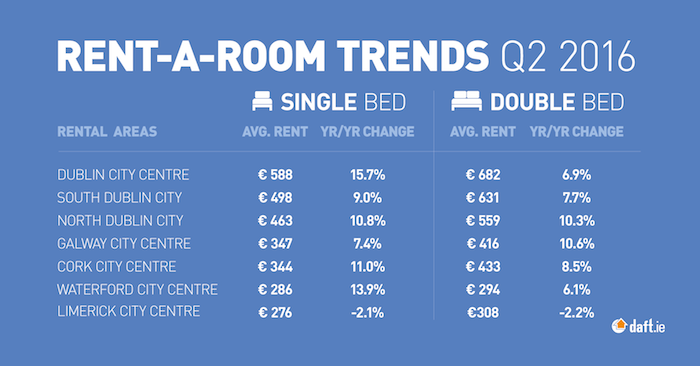
THE MAJORITY OF HOUSING UNITS REGISTERED LAST YEAR WERE IN DUBLIN.
House building activity increased by more than 30 per cent in 2016, according to the latest figures from the Construction Industry Federation (CIF).
A total of 5,626 residential units were registered to start construction in 2016, a 31 per cent increase on 2015.
The majority of housing units registered last year, or some 3,223 homes, were in Dublin, but house building activity is also strengthening elsewhere in Ireland, the federation said.
“All measures of house building activity and housing output show a strengthening trend as we begin 2017,” said CIF director general Tom Parlon.
“However, the planning environment and access to development finance will continue to be critical factors for all involved in the house building sector.”
Housing supply will remain “a key issue confronting industry and Government” throughout 2017, he said.
“Measures must be taken to provide finance to regional housebuilders in tandem with the recent measures taken at national level such as the local infrastructure fund and the help-to-buy initiative,” Mr Parlon added.
An increase
According to the CIF House Building Activity Report, a total of 11,320 residential units were commenced in the 11-month period January to November 2016.
This figure represents an increase of 46.5 per cent, or 3,593 units, on the total number of units commenced during the first 11 months of 2015.
Individual or one-off housing accounted for 36 per cent of total commencements.
Urban centres such as Cork and greater Dublin continue to experience the most concentrated levels of new housing supply with 1,419 and 6,209 new units commenced respectively last year.
A total of 13,376 residential units were completed in the 11-month period January to November 2016, which represents an 18.2 per cent increase in activity on the same period in 2015. The average monthly completion figure currently stands at 1,216 units.
In its last House Building Activity Report, the CIF estimated that circa 14,000 residential units would be completed by the end of 2016. But it said activity had increased near the tail end of the year and that the final figure would be closer to 14,500.
€500,000 to be invested in boosting tourism at Ireland’s national parks
The funding will focus on the five national parks and five nature reserves along the Wild Atlantic Way, as well as Wicklow National Park.


FAILTE IRELAND IS SET TO INVEST SOME €500,000 IN BOOSTING TOURISM TO IRELAND’S NATIONAL PARKS.
Taoiseach Enda Kenny today announced Fáilte Ireland’s new strategic partnership with the National Parks and Wildlife Services (NPWS), which aims to increase tourism in the rural areas where the parks are located.
This initial funding will focus on tTourism Irl.,he five national parks and five nature reserves along the Wild Atlantic Way, as well as Wicklow National Park.
Announcing the initiative in Ballycroy National Park, Co Mayo, Kenny said the money “will undoubtedly allow for the design of excellent tourism projects building on the strengths of each location, as well as further promoting our national parks and nature reserves for visitors and tourists”.
Michael Ring, Minister for State for Regional Economic Development, added: “While the last few years have been difficult in relation to exchequer funding, I am delighted that we are now in a position to invest further in our natural heritage”.
A bumper year in 2016.
Speaking about the project, Fáilte Ireland’s Director of Strategic Development Orla Carroll said: “We know from our own research that more and more visitors want to experience the Irish landscape up-close and personal.
Our national parks can do just that – by unlocking this potential we can give our visitors a real opportunity to get back to nature and get in touch with Ireland.
2016 was a record-breaking year for Irish tourism, with nine million visits taking place in the first 11 months. There were 8,919,700 million visits to Ireland up to the end of November, an 11% increase compared to the same period in 2015.
Galway city and 23 other towns to be added to the 4% rent cap list
OPPOSITION TDS CRITICISE COVENEY’S DECISION NOT TO INCLUDE WATERFORD AND LIMERICK IN LIST
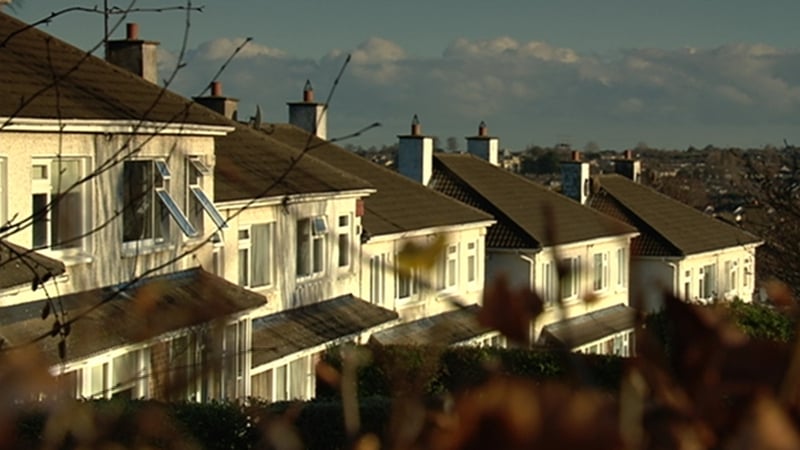

MINISTER FOR HOUSING SIMON COVENEY SAID HE WAS DELIVERING ON THE COMMITMENT HE GAVE WHEN HE PUBLISHED THE GOVERNMENT’S RENTAL STRATEGY IN DECEMBER.
Minister for Housing Simon Coveney has confirmed rent caps are to be extended to Galway city and 23 towns.
They were declared “rent pressure zones” after the Government reached agreement with Fianna Fáil. Galway city, nine towns in Meath, seven in Kildare, three in Wicklow and four in Cork will have rent increases restricted to 4 per cent per annum for the next three years.
Mr Coveney said he was delivering on the commitment he gave when he published the Government’s rental strategy in December, naming Dublin and Cork as rent-pressure zones.
Opposition TDs have criticised the decision not to add Waterford and Limerick to the list.
A push for more towns?
Fianna Fáil spokesman on housing Barry Cowen said the party would continue to push for more towns to be included. He said they had sought the inclusion of 40 towns.
Labour TD Jan O’Sullivan said tenants in Waterford and Limerick would suffer as a result of the decision. “This is disastrous for tenants who are already struggling to pay and now face rises they can’t afford. Linking rent increases to the consumer price index as the Labour Party has proposed would have been a much fairer way to go.
“The people of Limerick, Waterford and other parts of the country are now left with no protection from steep hikes, which is a direct result of this legislation.”
Rent pressure zones
Mr Coveney said in drawing up the list of rent pressure zones, he was guided solely by information given by the Residential Tenancies Board.
“In rough speak there needs to be a sustained level of unsustainable rental increases for four of the last six months. There needs to have been at least seven per cent annual rental inflation in rental markets.
“Secondly, it needs to be a high rent in that area, it needs to be above the national average.
“I want to reassure people. This isn’t politicians making designations to be popular or to try and bring home good news to their areas.”
Towns to have rent caps:
Naas, Sallins , Celbridge, Leixlip, Rathangan, Kildare, Newbridge, Slane, Julianstown, Duleek, Laytown, Bettystown, Ashbourne, Dunboyne, Dunshaughlin, Ratoath, Bray, Enniskerry, Wicklow, Douglas, Ballincollig, Carrigaline and Passage West
How cruel & fat shaming comments can actually make people very sick
THE CRUEL COMMENTS AND MOCKING BEHAVIOR CAN TAKE A REAL PHYSICAL TOLL, RESEARCHERS SAY.


The now President Trump is not without blame?
It’s a sad but true fact: Fat shaming is everywhere. Now, there’s evidence it can do more than damage self-confidence—it may also have serious health consequences. A new study found that overweight women who believe negative messages about their bodies are at greater risk for heart disease and diabetes than those who maintain a more positive body image.
The research, published in the journal Obesity, showed that higher levels of “weight-bias internalization”—the term for what happens when people are aware of negative stereotypes about obesity and apply those stereotypes to themselves—were associated with more cases of metabolic syndrome, a combination of health issues that raise the risk for heart disease and diabetes. This was true above and beyond the effects of body mass index (BMI), indicating that internalization isn’t just a result of weight or other issues, but a risk factor on its own.
“There is a misconception that sometimes a little bit of stigma is necessary to motivate people to lose weight,” says lead author Rebecca Pearl, PhD, assistant professor of psychology in psychiatry at the University of Pennsylvania’s Perelman School of Medicine. “But time and time again, research shows that this is just not the case.”
The new study supports the idea that when people feel bad about themselves, it can affect their physical health as well as their mental health, Pearl says.
To study this effect, Pearl and her colleagues at Penn’s Center for Weight and Eating Disorders focused on 159 obese women who were enrolled in a clinical trial to test the effects of weight-loss medication. (The study was funded by the drug’s parent company, Eisai Pharmaceutical Co.)
To determine their level of weight-bias internalization, the women indicated how strongly they agreed or disagreed with statements such as, “I hate myself for being overweight.” The statements touched on stereotypes about overweight people being lazy, unattractive, or incompetent.
The women were also examined to determine whether they had metabolic syndrome, which includes risk factors like high triglycerides, blood pressure, and waist circumference.
After the researchers adjusted for age, gender, race, and BMI, they found that women who scored in the top half for weight-bias internalization were three times more likely to have metabolic syndrome that those in the bottom half. They were also six times more likely to have high triglycerides, one aspect of high cholesterol.
The findings were also adjusted for depression, which is also associated with poor self-esteem and negative body image.
Most of the women in the study were African American. That’s important, says Pearl, because most weight-bias research to-date has included mostly white women. Internalization scores do tend to be lower for black women, Pearl says, “but that doesn’t mean it’s doesn’t affect some African Americans just as it affects white people or Hispanic people.”
The study was not able to show a cause-and-effect relationship, and Pearl says it’s also possible that people with more health problems feel worse about themselves as a result. But previous research helps support the researchers’ theory that bias can have a direct impact on health.
It’s been shown, for example, that fat-shaming experiences can lead to increased inflammation and stress-hormone levels in the body. People who feel bad about their bodies are also less likely to exercise, Pearl adds, and can have a harder time eating healthy.
It isn’t clear why some women internalize weight bias and others don’t, Pearl says—whether they’re in a supportive environment and exposed less to fat shaming, or are simply less vulnerable to its effects. But for many women, she says, these messages are hard to avoid.
“People with obesity are portrayed in negative ways in the media; there’s bullying at school and on social networks; people even feel judged by family members or in health-care settings,” she says.
It’s important for loved ones, and the general public, to be sensitive to this issue, Pearl says. “Rather than blaming and shaming people and being dismissive of their struggle, we need to work collaboratively to set goals to improve health behaviors.”
As for women and men who are struggling with their own body image, Pearl recommends taking a good look at the stereotypes they’ve internalized—and then challenging them.
“A patient claims she overheard a member of staff referring to her”
“AS JUST A PSYCHIATRIC CASE”
Our health service must place a greater priority on the physical healthcare needs of people with mental illness, writes Dr Stephen McWilliams.



 By Dr Stephen McWilliams
SOME PATIENT’S CLAIM THAT, BY VIRTUE OF THEIR EXISTING MENTAL ILLNESS, THEY MUST WORK TWICE AS HARD TO HAVE THEIR PHYSICAL ILLNESSES TAKEN SERIOUSLY BY THE HEALTH SERVICE.
In the waiting rooms of general hospitals, accident and emergency departments and outpatient clinics, they overhear themselves talked about primarily with reference to their anxiety, depression or psychosis, even when their reason for attending is purely physical.
One such patient told me she overheard a member of staff referring to her as “just a psychiatric case”. Another recalled being informed by a general nurse (in a private medical hospital), “we don’t do mental health here.” Such examples are not unusual.
These attitudes, where they exist, come at a cost
Psychiatric patients often feel marginalised in general medical settings. They receive less effective and often delayed care for their physical illnesses because such symptoms are frequently eclipsed by their psychiatric diagnosis.
My patients are not alone in experiencing this. The phenomenon – termed “diagnostic overshadowing” – has been highlighted as a real problem in the healthcare of individuals with psychiatric illness.
Diagnostic overshadowing is a major theme in a recent report by the Royal College of Psychiatrists in London entitled: “Whole person care: from rhetoric to reality – Achieving parity between mental and physical health.” In Ireland, the drive to reduce costs has seen funding for the treatment of psychiatric illness gradually shrink in comparison to that for physical illness.
This is despite the World Health Organisation (WHO) estimation that 350 million people worldwide have depression, making it the world’s leading cause of disability. Mental illness and physical illness are a long way from gaining parity of esteem. They simply are not seen as equally important. It is little wonder people with mental illness sometimes feel disenfranchised.
Separation of mental illness and physical illness is largely artificial
They often occur in the same people. A recent report by the UK think-tank QualityWatch examined 100 million hospital episodes annually over five years. They found that almost half of people with mental ill health have a concurrent physical condition. They are four times more likely to die of respiratory (lung) disease and 2.5 times more likely to die of cardiovascular disease.
QualityWatch also reported that people with serious mental illness die 10 to 17 years younger, which echoes a WHO assertion that individuals with schizophrenia die 10 to 25 years younger.
Suicide accounts for some of this, but physical illness is the main reason. For example, people with schizophrenia are six times more likely to smoke heavily, while approximately half are significantly overweight. Up to 15% have diabetes and 58% have elevated blood pressure.
Meeting medical needs
As a general rule, meeting the medical needs of any patient will reduce the amount of emergency care they need relative to planned care. People with mental illness have 10% fewer planned medical admissions than the general population, according to QualityWatch.
Instead they have three times more A&E attendances and almost five times more emergency admissions. Less than one in five of these emergency admissions among psychiatric patients are to address their mental health needs; most are for the potentially-preventable complications of common illnesses such as high blood pressure, heart disease, epilepsy and various infections.
Individuals with underlying mental illness are more likely to be admitted overnight and they generally remain longer in hospital.
Deaths that could be avoided
It is little wonder that the UK National Health Service has estimated that some 40,000 deaths might be avoided each year if individuals with serious mental illness were afforded the same amount of physical healthcare as the general population. The equivalent number of deaths annually based on Ireland’s population would be almost 3,000.
In the words of the WHO, the reduced life expectancy of individuals with serious mental illness is due to “a society socially and functionally biased towards the population living with severe mental disorder.”
They die earlier not because of their psychiatric illness per se, but “because of the discrimination and lack of access to good health services.” The WHO further asserts that stigma is the biggest barrier preventing people with severe mental illness from receiving effective care.
People with mental illness already get a raw deal
It behoves our health service (our Government and, indeed, society) to place a greater priority than it currently does on the physical healthcare needs of people with mental illness.
Mysterious UFO-shaped cloud appears above mountains in Sweden which baffles skiers
THE MYSTERIOUS CLOUD WAS SPOTTED ABOVE THE MOUNTAINS IN SKI RESORTS IN SWEDEN


A mysterious UFO-shaped cloud appeared above mountains and baffled skiers who were stunned after seeing it in the sky.
The bizarre sight could be seen over the Duved ski resort in Sweden earlier this week and many stopped on the mountain to take photographs.
Nature photographer Sara Björkebaum spotted the cloud and uploaded a picture of it to her Instagram page, ‘bbaumish’.
Björkebaum, from Sweden, wrote, “Weird weather, cool clouds. I think I may jump on that spaceship.”
Experts have said that it was a “lenticular cloud”, which typically form over mountain peaks.
They usually appear when the air rises near the mountains, and as it cools, it creates a cloud.
An unidentified flying object, or UFO, in its most general definition, is any apparent anomaly in the sky that is not identifiable as a known object or phenomenon. Culturally, UFOs are associated with claims of visitation by extraterrestrial life or government-related conspiracy theories, and have become popular subjects in fiction. UFOs are often identified after their sighting. Sometimes, however, UFOs cannot be identified because of the low quality of evidence related to their sightings.


