Pages

Showing posts with label wildlife. Show all posts

Monday, January 30, 2017

Donie's Ireland daily news BLOG

Theresa May to meet An Taoiseach Enda Kenny amid growing Brexit fears

BRITISH LEADER IS VISITING DUBLIN AS CONCERNS INCREASE OVER UK’S PLAN FOR LEAVING THE EU

Image result for Theresa May to meet An Taoiseach Enda Kenny amid growing Brexit fears   Image result for Theresa May to meet An Taoiseach Enda Kenny amid growing Brexit fears

BRITISH PRIME MINISTER THERESA MAY PLANS TO MEET ENDA KENNY IN DUBLIN ON TODAY MONDAY.

British prime minister Theresa May meets the Taoiseach in Dublin on Monday amid growing concern in Government about the impact of a hard Brexit on the Border and on trade between Ireland and Britain.
The meeting comes two weeks after Ms May said Britain would leave the single market and key parts of the customs union when it withdraws from the EU.
Ms May has identified maintaining the Common Travel Area as a key objective in Brexit negotiations and the Government is confident that there is broad support in other EU member states for that position.
The prime minister’s decision to leave the customs union’s common commercial policy and common external tariff, however, has made some form of customs control along the Border difficult to avoid.
The EU is responsible for agreeing trade policy on behalf of all its member states and there is little enthusiasm in Brussels for a special trade arrangement between Britain and Ireland.
‘Frictionless’
The focus for British and Irish negotiators is likely to be on ensuring that any customs controls on the Border will be as “frictionless” and unobtrusive as possible.
Last night, Minister for Foreign Affairs Charlie Flanagan said the prime minister was aware of the concerns the Government had about the impact of Brexit on the island.
He said Ms May’s visit afforded an opportunity to hear her priorities and to discuss her response to the difficulties Ireland faced.
“Our priorities are well known to the British prime minister and I believe it’s important that [today] we hear her view on what again is a great challenge to the island of Ireland with particular reference to our economy, our trade with the United Kingdom and of course the Good Friday Agreement and the Peace Process and the need to ensure, in the context of the forthcoming negotiations that the letter and spirit of the Good Friday Agreement is fully adhered to,” Mr Flanagan said.
Before travelling to Dublin, Ms May will host a meeting in Cardiff of the Joint Ministerial Committee (JMC) which co-ordinates the relationships between Downing Street and the devolved administrations in Scotland, Wales and Northern Ireland.
No veto
Britain’s supreme court ruled last week that the devolved administrations have no veto over the triggering of Article 50 of the Lisbon Treaty, which starts formal Brexit negotiations.
Ahead of the meeting in Cardiff, however, the prime minister said she remained committed to listening to the views of legislators in Scotland, Wales and Northern Ireland.
“We will not agree on everything, but that doesn’t mean we will shy away from the necessary conversations and I hope we will have further constructive discussions today,” she said.
“The United Kingdom voted to leave the EU, and the UK government has a responsibility to deliver on that mandate and secure the right deal for the whole of the UK.
“We all have a part to play in providing certainty and leadership so that together we can make a success of the opportunities ahead.”

Irish House building activity increased by more than 30% in 2016

A TOTAL OF 5,626 RESIDENTIAL UNITS REGISTERED IN YEAR, SAYS CONSTRUCTION INDUSTRY FEDERATION

Image result for Irish House building activity increased by more than 30% in 2016  Image result for Irish House building activity increased by more than 30% in 2016

THE MAJORITY OF HOUSING UNITS REGISTERED LAST YEAR WERE IN DUBLIN.

House building activity increased by more than 30 per cent in 2016, according to the latest figures from the Construction Industry Federation (CIF).
A total of 5,626 residential units were registered to start construction in 2016, a 31 per cent increase on 2015.
The majority of housing units registered last year, or some 3,223 homes, were in Dublin, but house building activity is also strengthening elsewhere in Ireland, the federation said.
“All measures of house building activity and housing output show a strengthening trend as we begin 2017,” said CIF director general Tom Parlon.
“However, the planning environment and access to development finance will continue to be critical factors for all involved in the house building sector.”
Housing supply will remain “a key issue confronting industry and Government” throughout 2017, he said.
“Measures must be taken to provide finance to regional housebuilders in tandem with the recent measures taken at national level such as the local infrastructure fund and the help-to-buy initiative,” Mr Parlon added.
An increase
According to the CIF House Building Activity Report, a total of 11,320 residential units were commenced in the 11-month period January to November 2016.
This figure represents an increase of 46.5 per cent, or 3,593 units, on the total number of units commenced during the first 11 months of 2015.
Individual or one-off housing accounted for 36 per cent of total commencements.
Urban centres such as Cork and greater Dublin continue to experience the most concentrated levels of new housing supply with 1,419 and 6,209 new units commenced respectively last year.
A total of 13,376 residential units were completed in the 11-month period January to November 2016, which represents an 18.2 per cent increase in activity on the same period in 2015. The average monthly completion figure currently stands at 1,216 units.
In its last House Building Activity Report, the CIF estimated that circa 14,000 residential units would be completed by the end of 2016. But it said activity had increased near the tail end of the year and that the final figure would be closer to 14,500.

€500,000 to be invested in boosting tourism at Ireland’s national parks

The funding will focus on the five national parks and five nature reserves along the Wild Atlantic Way, as well as Wicklow National Park.

Image result for €500,000 to be invested in boosting tourism at Ireland's national parks Related image  Image result for Ireland's wildlife national parks

FAILTE IRELAND IS SET TO INVEST SOME €500,000 IN BOOSTING TOURISM TO IRELAND’S NATIONAL PARKS.

Taoiseach Enda Kenny today announced Fáilte Ireland’s new strategic partnership with the National Parks and Wildlife Services (NPWS), which aims to increase tourism in the rural areas where the parks are located.
This initial funding will focus on tTourism Irl.,he five national parks and five nature reserves along the Wild Atlantic Way, as well as Wicklow National Park.
Announcing the initiative in Ballycroy National Park, Co Mayo, Kenny said the money “will undoubtedly allow for the design of excellent tourism projects building on the strengths of each location, as well as further promoting our national parks and nature reserves for visitors and tourists”.
Michael Ring, Minister for State for Regional Economic Development, added: “While the last few years have been difficult in relation to exchequer funding, I am delighted that we are now in a position to invest further in our natural heritage”.
A bumper year in 2016.
Speaking about the project, Fáilte Ireland’s Director of Strategic Development Orla Carroll said: “We know from our own research that more and more visitors want to experience the Irish landscape up-close and personal.
Our national parks can do just that – by unlocking this potential we can give our visitors a real opportunity to get back to nature and get in touch with Ireland.
2016 was a record-breaking year for Irish tourism, with nine million visits taking place in the first 11 months. There were 8,919,700 million visits to Ireland up to the end of November, an 11% increase compared to the same period in 2015.

Galway city and 23 other towns to be added to the 4% rent cap list

OPPOSITION TDS CRITICISE COVENEY’S DECISION NOT TO INCLUDE WATERFORD AND LIMERICK IN LIST
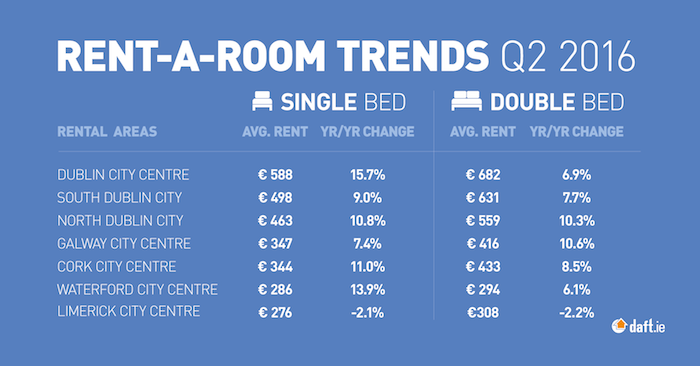
Image result for Galway city and 23 other towns to be added to the 4% rent cap list  Image result for Galway city and 23 other towns to be added to the 4% rent cap list

MINISTER FOR HOUSING SIMON COVENEY SAID HE WAS DELIVERING ON THE COMMITMENT HE GAVE WHEN HE PUBLISHED THE GOVERNMENT’S RENTAL STRATEGY IN DECEMBER.

Minister for Housing Simon Coveney has confirmed rent caps are to be extended to Galway city and 23 towns.
They were declared “rent pressure zones” after the Government reached agreement with Fianna Fáil. Galway city, nine towns in Meath, seven in Kildare, three in Wicklow and four in Cork will have rent increases restricted to 4 per cent per annum for the next three years.
Mr Coveney said he was delivering on the commitment he gave when he published the Government’s rental strategy in December, naming Dublin and Cork as rent-pressure zones.
Opposition TDs have criticised the decision not to add Waterford and Limerick to the list.
A push for more towns?
Fianna Fáil spokesman on housing Barry Cowen said the party would continue to push for more towns to be included. He said they had sought the inclusion of 40 towns.
Labour TD Jan O’Sullivan said tenants in Waterford and Limerick would suffer as a result of the decision. “This is disastrous for tenants who are already struggling to pay and now face rises they can’t afford. Linking rent increases to the consumer price index as the Labour Party has proposed would have been a much fairer way to go.
“The people of Limerick, Waterford and other parts of the country are now left with no protection from steep hikes, which is a direct result of this legislation.”
Rent pressure zones
Mr Coveney said in drawing up the list of rent pressure zones, he was guided solely by information given by the Residential Tenancies Board.
“In rough speak there needs to be a sustained level of unsustainable rental increases for four of the last six months. There needs to have been at least seven per cent annual rental inflation in rental markets.
“Secondly, it needs to be a high rent in that area, it needs to be above the national average.
“I want to reassure people. This isn’t politicians making designations to be popular or to try and bring home good news to their areas.”
Towns to have rent caps:
Naas, Sallins , Celbridge, Leixlip, Rathangan, Kildare, Newbridge, Slane, Julianstown, Duleek, Laytown, Bettystown, Ashbourne, Dunboyne, Dunshaughlin, Ratoath, Bray, Enniskerry, Wicklow, Douglas, Ballincollig, Carrigaline and Passage West

How cruel & fat shaming comments can actually make people very sick

THE CRUEL COMMENTS AND MOCKING BEHAVIOR CAN TAKE A REAL PHYSICAL TOLL, RESEARCHERS SAY.

Image result for How cruel & fat shaming comments can actually make people very sick   Image result for How cruel & fat shaming comments can actually make people very sick   Image result for How cruel & fat shaming comments can actually make people very sick
The now President Trump is not without blame?
It’s a sad but true fact: Fat shaming is everywhere. Now, there’s evidence it can do more than damage self-confidence—it may also have serious health consequences. A new study found that overweight women who believe negative messages about their bodies are at greater risk for heart disease and diabetes than those who maintain a more positive body image.
The research, published in the journal Obesity, showed that higher levels of “weight-bias internalization”—the term for what happens when people are aware of negative stereotypes about obesity and apply those stereotypes to themselves—were associated with more cases of metabolic syndrome, a combination of health issues that raise the risk for heart disease and diabetes. This was true above and beyond the effects of body mass index (BMI), indicating that internalization isn’t just a result of weight or other issues, but a risk factor on its own.
“There is a misconception that sometimes a little bit of stigma is necessary to motivate people to lose weight,” says lead author Rebecca Pearl, PhD, assistant professor of psychology in psychiatry at the University of Pennsylvania’s Perelman School of Medicine. “But time and time again, research shows that this is just not the case.”
The new study supports the idea that when people feel bad about themselves, it can affect their physical health as well as their mental health, Pearl says.
To study this effect, Pearl and her colleagues at Penn’s Center for Weight and Eating Disorders focused on 159 obese women who were enrolled in a clinical trial to test the effects of weight-loss medication. (The study was funded by the drug’s parent company, Eisai Pharmaceutical Co.)
To determine their level of weight-bias internalization, the women indicated how strongly they agreed or disagreed with statements such as, “I hate myself for being overweight.” The statements touched on stereotypes about overweight people being lazy, unattractive, or incompetent.
The women were also examined to determine whether they had metabolic syndrome, which includes risk factors like high triglycerides, blood pressure, and waist circumference.
After the researchers adjusted for age, gender, race, and BMI, they found that women who scored in the top half for weight-bias internalization were three times more likely to have metabolic syndrome that those in the bottom half. They were also six times more likely to have high triglycerides, one aspect of high cholesterol.
The findings were also adjusted for depression, which is also associated with poor self-esteem and negative body image.
Most of the women in the study were African American. That’s important, says Pearl, because most weight-bias research to-date has included mostly white women. Internalization scores do tend to be lower for black women, Pearl says, “but that doesn’t mean it’s doesn’t affect some African Americans just as it affects white people or Hispanic people.”
The study was not able to show a cause-and-effect relationship, and Pearl says it’s also possible that people with more health problems feel worse about themselves as a result. But previous research helps support the researchers’ theory that bias can have a direct impact on health.
It’s been shown, for example, that fat-shaming experiences can lead to increased inflammation and stress-hormone levels in the body. People who feel bad about their bodies are also less likely to exercise, Pearl adds, and can have a harder time eating healthy.
It isn’t clear why some women internalize weight bias and others don’t, Pearl says—whether they’re in a supportive environment and exposed less to fat shaming, or are simply less vulnerable to its effects. But for many women, she says, these messages are hard to avoid.
“People with obesity are portrayed in negative ways in the media; there’s bullying at school and on social networks; people even feel judged by family members or in health-care settings,” she says.
It’s important for loved ones, and the general public, to be sensitive to this issue, Pearl says. “Rather than blaming and shaming people and being dismissive of their struggle, we need to work collaboratively to set goals to improve health behaviors.”
As for women and men who are struggling with their own body image, Pearl recommends taking a good look at the stereotypes they’ve internalized—and then challenging them.

“A patient claims she overheard a member of staff referring to her”

“AS JUST A PSYCHIATRIC CASE”

Our health service must place a greater priority on the physical healthcare needs of people with mental illness, writes Dr Stephen McWilliams.

 Image result for patient claims she overheard a member of staff referring to her with mental illness Image result for patient claims she overheard a member of staff referring to her with mental illness  Image result for patient claims she overheard a member of staff referring to her with mental illness  
Image result for Dr Stephen McWilliams  By Dr Stephen McWilliams

SOME PATIENT’S CLAIM THAT, BY VIRTUE OF THEIR EXISTING MENTAL ILLNESS, THEY MUST WORK TWICE AS HARD TO HAVE THEIR PHYSICAL ILLNESSES TAKEN SERIOUSLY BY THE HEALTH SERVICE.

In the waiting rooms of general hospitals, accident and emergency departments and outpatient clinics, they overhear themselves talked about primarily with reference to their anxiety, depression or psychosis, even when their reason for attending is purely physical.
One such patient told me she overheard a member of staff referring to her as “just a psychiatric case”. Another recalled being informed by a general nurse (in a private medical hospital), “we don’t do mental health here.” Such examples are not unusual.
These attitudes, where they exist, come at a cost
Psychiatric patients often feel marginalised in general medical settings. They receive less effective and often delayed care for their physical illnesses because such symptoms are frequently eclipsed by their psychiatric diagnosis.
My patients are not alone in experiencing this. The phenomenon – termed “diagnostic overshadowing” – has been highlighted as a real problem in the healthcare of individuals with psychiatric illness.
Diagnostic overshadowing is a major theme in a recent report by the Royal College of Psychiatrists in London entitled: “Whole person care: from rhetoric to reality – Achieving parity between mental and physical health.” In Ireland, the drive to reduce costs has seen funding for the treatment of psychiatric illness gradually shrink in comparison to that for physical illness.
This is despite the World Health Organisation (WHO) estimation that 350 million people worldwide have depression, making it the world’s leading cause of disability. Mental illness and physical illness are a long way from gaining parity of esteem. They simply are not seen as equally important. It is little wonder people with mental illness sometimes feel disenfranchised.
Separation of mental illness and physical illness is largely artificial
They often occur in the same people. A recent report by the UK think-tank QualityWatch examined 100 million hospital episodes annually over five years. They found that almost half of people with mental ill health have a concurrent physical condition. They are four times more likely to die of respiratory (lung) disease and 2.5 times more likely to die of cardiovascular disease.
QualityWatch also reported that people with serious mental illness die 10 to 17 years younger, which echoes a WHO assertion that individuals with schizophrenia die 10 to 25 years younger.
Suicide accounts for some of this, but physical illness is the main reason. For example, people with schizophrenia are six times more likely to smoke heavily, while approximately half are significantly overweight. Up to 15% have diabetes and 58% have elevated blood pressure.
Meeting medical needs
As a general rule, meeting the medical needs of any patient will reduce the amount of emergency care they need relative to planned care. People with mental illness have 10% fewer planned medical admissions than the general population, according to QualityWatch.
Instead they have three times more A&E attendances and almost five times more emergency admissions. Less than one in five of these emergency admissions among psychiatric patients are to address their mental health needs; most are for the potentially-preventable complications of common illnesses such as high blood pressure, heart disease, epilepsy and various infections.
Individuals with underlying mental illness are more likely to be admitted overnight and they generally remain longer in hospital.
Deaths that could be avoided
It is little wonder that the UK National Health Service has estimated that some 40,000 deaths might be avoided each year if individuals with serious mental illness were afforded the same amount of physical healthcare as the general population. The equivalent number of deaths annually based on Ireland’s population would be almost 3,000.
In the words of the WHO, the reduced life expectancy of individuals with serious mental illness is due to “a society socially and functionally biased towards the population living with severe mental disorder.”
They die earlier not because of their psychiatric illness per se, but “because of the discrimination and lack of access to good health services.” The WHO further asserts that stigma is the biggest barrier preventing people with severe mental illness from receiving effective care.
People with mental illness already get a raw deal
It behoves our health service (our Government and, indeed, society) to place a greater priority than it currently does on the physical healthcare needs of people with mental illness.

Mysterious UFO-shaped cloud appears above mountains in Sweden which baffles skiers

THE MYSTERIOUS CLOUD WAS SPOTTED ABOVE THE MOUNTAINS IN SKI RESORTS IN SWEDEN

Image result for Mysterious UFO-shaped cloud appears above mountains in Sweden which baffles skiers  Image result for Mysterious UFO-shaped cloud appears above mountains in Sweden which baffles skiers  Image result for Mysterious UFO-shaped cloud appears above mountains in Sweden which baffles skiers
A mysterious UFO-shaped cloud appeared above mountains and baffled skiers who were stunned after seeing it in the sky.
The bizarre sight could be seen over the Duved ski resort in Sweden earlier this week and many stopped on the mountain to take photographs.
Nature photographer Sara Björkebaum spotted the cloud and uploaded a picture of it to her Instagram page, ‘bbaumish’.
Björkebaum, from Sweden, wrote, “Weird weather, cool clouds. I think I may jump on that spaceship.”
Experts have said that it was a “lenticular cloud”, which typically form over mountain peaks.
They usually appear when the air rises near the mountains, and as it cools, it creates a cloud.
An unidentified flying object, or UFO, in its most general definition, is any apparent anomaly in the sky that is not identifiable as a known object or phenomenon. Culturally, UFOs are associated with claims of visitation by extraterrestrial life or government-related conspiracy theories, and have become popular subjects in fiction. UFOs are often identified after their sighting. Sometimes, however, UFOs cannot be identified because of the low quality of evidence related to their sightings.      

Friday, March 4, 2016

Donie's Ireland daily news BLOG

Allied Irish Bank wrote off some €605m in mortgages in 2015

Bank made a pre-tax profit of €1.9bn last year it was up 72% on 2014?


AIB chief executive Bernard Byrne at a press conference to announce pre-tax profits at the bank.

AIB wrote off €604.3 million worth of residential mortgage loans in the Republic last year, an increase of 35% on 2014.
It wrote off an additional €214 million in other personal loans here last year, down from €385 million in the previous 12 months.
These figures emerge in the bank’s annual report for last year and suggest AIB is taking a pragmatic view to debt restructuring with borrowers.
The total loans written off by AIB in Ireland and abroad amounted to €4.6 billion last year, down slightly on 2014.
AIB’s results show it made a pre-tax profit of €1.9 billion in 2015, an increase of 72% on 2014. This was driven by “high-quality new lending” and provision writebacks.
This profit figure allowed for exceptional items of €296 million, which included restitution, restructuring and voluntary severance.
It has made a €105 million provision relating to the Central Bank of Ireland’s sector-wide redress programme for tracker mortgage customers.
AIB’s pre-provision operating profit was 18% higher at €1.3 billion.
The bank achieved a substantial reduction in impaired loans to €13.1 billion, down €9.1 billion from December 2014.
The bank, which is 99.9% owned by the State, said new lending draw-downs amounted to €8.7 billion, a year-on-year increase of 49%.
Credit provision writebacks last year of €925 million reflected “progress in case-by-case restructuring of impaired loans and the improved economic environment”.
Its total operating income rose by 4% to €2.6 billion while its net interest margin, a key measure of profitability, increased to 1.97% from 1.69% in 2014.
AIB had a cost-income ratio of 49% as operating expenses declined by 8% or €107 million.
Commenting on the results, AIB chief executive Bernard Byrne said: “There can be no doubt that the group’s financial performance has confirmed our transition from a work-in-progress to a fully functioning, sustainable well-capitalised bank.
“This bank is now well positioned to enable the State to recover its full investment of €20.8 billion.”
He said the bank was ready to IPO its shares subject to market conditions and the green light from Government.
Mr Byrne said it wasn’t a “big issue” if the mooted IPO in the third quarter of this year “slipped by three months or six months”.
“Obviously we would like Q3 because it takes away uncertainty and allows you to actually progress towards it but it’s not the big thing in terms of when it happens.”
Total remuneration
AIB paid Mr Byrne €587,000 in total remuneration last year, an increase of 3% on 2014.
His basic salary increased to €479,000 from €450,000 in the previous year following his elevation to the top job in May 2015.
AIB’s chief financial officer Mark Bourke received €570,000 in total remuneration compared with €337,000 in 2014, when he served just more than seven months with the company. His basic salary was €450,000.
IBOA general secretary Larry Broderick was “surprised” about the increased remuneration levels for certain executives.
“We have been inundated with calls from our members in AIB keen to know if this change of approach to remuneration has been evident in the pay talks with the bank’s senior management since late 2015,” he said.
“These talks have been protracted and difficult up to this point.
“However, I hope that in light of this disclosure about the increases paid to AIB’s highest earners, our members can now expect similar consideration when the current conciliation talks resume under the auspices of the Workplace Relations Commission.”

Meanwhile:

A CSO survey shows Irish SMEs heavily dependent on bank finance

Strategic Banking Corporation of Ireland urges SMEs to look at new sources of funding

   
The Strategic Banking Corporation of Ireland (SBCI) urged Irish SMEs to explore new sources of funding in addition to traditional bank lending.
Bank finance is the most popular type of finance sought by small and medium sized enterprises, according to a new survey from the Central Statistics Office.
More than a fifth of all small and medium sized enterprises (SMEs) applied for bank finance in 2014 according to the CSO’s Access to Finance survey.
A total of 20% of micro sized enterprises applied for bank finance, with the rate rising to 35% for small sized enterprises and to 39.8% for medium sized enterprises.
The survey found exporting SMEs were more successful than non-exporting SMEs when applying for bank finance. Almost 95% of exporting SMEs were successful compared to 67% for non-exporting enterprises.
The Information and Communications (ICT) sector is less likely to look for bank finance than other sectors, but more likely to be successful, according to the survey.
The Strategic Banking Corporation of Ireland (SBCI) urged Irish SMEs to explore new sources of funding in addition to traditional bank lending.
SBCI chief executive Nick Ashmore said Irish SMEs are more dependent on banks than SMEs in other countries and that they should be alert to the increasing number of non-bank funding options that have emerged in recent months.
“Irish SMEs have been paying more to borrow than similar businesses across Europe.”
Big Red Cloud chief executive Marc O’Dwyer said the survey shows the disparity that exists between SME’s that are export focused and those that serve the local economy.
He said micro and small businesses in Ireland face an uphill struggle when it comes to raising bank finance.
“This report should serve as a timely reminder to the next Government of its elected responsibility to the 190,000 small businesses in Ireland that employer nearly 1.3 million people,” he said.

More women than men die from cancer say Irish Life


Significantly more women than men die of cancer every year, according to figures from an insurance company.

An Irish Life analysis of claimants found that 48% of women died of cancer last year, compared to 39% of men, but men had higher rates of heart-related deaths and illnesses.
The analysis shows cancer accounted for 41% of life insurance claims last year and 64% for specified illness claims.
Heart-related conditions accounted for 13% of deaths and specified illnesses for 18%. Heart-related conditions were the cause of death for twice as many men (16%) as women (8%). Men also accounted for four-in-every-five specified illness claims paid for heart-related conditions.
While cancer accounted for a similar proportion of specified illness claims for both men and women, both sexes experienced different cancer-related illnesses.
Breast cancer was the main cancer for women, followed by cervical cancer, while for men, prostate cancer was the main cause, followed by lung and colon cancers.
In the case of income protection, mental health illness was the cause of most claims paid, accounting for almost one-in-five (19%) of those unable to work during the year.
Back pain and cancer were the second most frequent conditions for income protection claims, at 14% for each of these conditions.
The insurance company paid out €204m to customers and their families affected by injury, illness, and death last year, with payments made for 5,449 life insurance, specified illness cover, and income protection claims.
Around €4m a week was paid to people and families affected by illness and death, with 40% of specified illness claims made to people under 50 years of age. The largest life insurance claim of €938,000 was paid out to the family of a man in his 50s who died of colon cancer.
Of the life insurance claims, 7%, or 104, were paid for accidental death — €13.2m. The accidental death rate for men (8%) was higher than that for women (3%).
The average age of people for accidental death claims was 47 and over 80% were men. Road traffic accidents accounted for 17% of accidental deaths.
Irish Life found that many people diagnosed with a terminal illness likely to lead to death within 12 months did not realise they may be eligible to claim some, or all, of their life insurance benefits before death.
It noticed that the number of terminal illness claims had fallen from 55 in 2014 to 31 last year.
Irish Life’s head of underwriting and protection claims, Martin Duffy, said 95% of claims received last year were paid and those declined were for non-disclosure of medical information or because the illness was not covered. While almost two thirds of life insurance claims were for men, the proportion was more evenly spread between the sexes for specified illness claims, with 55% of cover paid to men.

Cancer discovery may lead to bespoke treatment trials in two years

Cancer Research UK-funded researchers spot ‘flag’ proteins on surface of tumour cells


Researchers have spotted rare “flag” proteins that act as immune system targets and are displayed on the surface of all of a patient’s tumour cells (above), wherever they might be in the body.

A major British discovery is expected to lead to revolutionary bespoke treatments for patients with advanced cancer that could enter trials within two years.
Researchers have spotted rare “flag” proteins that act as immune system targets and are displayed on the surface of all of a patient’s tumour cells, wherever they might be in the body.
Normally they are shielded from the immune system, or missed because rapidly evolving cancers present too many constantly changing targets.
Once the omnipresent proteins, or antigens, are isolated, potent immune system cells called T-cells can be employed as homing missiles to zero in on them and destroy the cancer.
Such an approach, which involves mapping the DNA in a patient’s tumour sample, would help to overcome the ability of cancers to resist therapies by altering their genetic make-up.
The work is at an early stage and so far just two of the special antigens, plus the T-cells that recognise them, have been identified in two lung cancer patients.
The scientists hope to see rapid progress leading to patient trials, and are optimistic about similar targets for other cancers being found.
Prof Charles Swanton of University College London’s Cancer Institute, a leading member of the Cancer Research UK-funded team, said: “I will be disappointed if we haven’t treated a patient within two years.
“Do we think it’s going to work? I hope this is going to result in improvements in survival outcomes. If this doesn’t work I’ll probably hang my hat up and do something else.”
He pointed out that a tumour evolutionary tree was like a “snowflake or fingerprint”, unique to each patient. That presented a problem for clinicians and patients, because as tumours developed the tree grew new branches containing novel genetic mutations which helped the cancer to resist treatment.
The new research had shown there were potential immunotherapy targets from the “trunk” of the tree that are flagged up on all of a tumour’s multiplying cells.
Prof Swanton added: “This is exciting ... now we can prioritise and target tumour antigens that are present in every cell - the Achilles heel of these highly complex cancers.
“This is really fascinating and takes personalised medicine to its absolute limit, where each patient would have a unique, bespoke treatment.”
One way of exploiting the discovery would be to develop T-cell-activating vaccines based on the antigens, said the researchers, whose findings are reported in the journal Science.
Another would be to “fish out” the small number of T-cells in tumours that are naturally primed to recognise the antigens, multiplying them in a laboratory, and returning them to the patient.
Currently there are too few of the ready-primed T-cells in patients to make a difference. In the samples analysed by the scientists, they only made up 1 per cent to 2 per cent of the T-cells in a tumour.
Another hurdle to be crossed is the way cancer protects itself using proteins that are normally employed to keep the immune system in check and prevent it running out of control.
In practice, the new antigen-targeting therapies would have to be accompanied by so-called “checkpoint inhibitors” - drugs that are already being used to treat cancer patients.
Prof Peter Johnson, Cancer Research UK’s chief clinician, said: “This ... research gives us vital clues about how to specifically tailor treatment for a patient using their immune system.
“It gets us closer to knowing why some patients respond to immunotherapy treatment and others don’t, and how we might select which patients will benefit the most.”
The research was also funded by the Rosetrees Trust, set up in 1987 to support life-changing medical science.

More gold and platinum in Irish rivers than previously thought


Irish gold hunters are readying themselves for action after it emerged Ireland's rivers have more precious metals in them than previously thought.

The finding is the result of new tests by geological experts using modern technology, and is sure to spark the interest of gold panners here.
"There is more platinum, gold and precious metals in the streams and rivers of the south east of Ireland than previously believed," the Geological Survey of Ireland - the agency responsible for providing geological information - said yesterday.
"The most notable levels of platinum are found mainly in the area to the southeast of the towns of Aughrim and Tinahely on the Wicklow-Wexford border," it said. Platinum has uses in jewellery, electronics and catalytic converters in cars.
"As well as reconfirming high levels of gold in streams near the Goldmines River and Avoca regions of Wicklow, the new data identifies high gold values in streams that flow across and along the edges of the Leinster granite, a complex area long thought to be a source for the gold mineralisation in the region," said the agency.
"The recently re-analysed data . . . also highlights a broad zone of gold in Co Wicklow, north of the Sugar Loaf region where only small traces of the precious metal have been found previously."
High gold values in streams have also been identified in Co Waterford, in the Dungarvan to Stradbally area, known locally as the 'Gold Coast'.
The agency hopes the findings will spark the interest of mineral exploration companies, leading to investment in the country.
"The industry is currently suffering from a major global downturn due to low commodity prices, which coupled with a scarcity of recent economically significant discoveries, has seen Ireland's indigenous production of metals retreat with the closure of a number of mines," said Koen Verbruggen, director of the Geological Survey of Ireland.
Richard Conroy, chairman of gold exploration company Conroy Gold and Natural Resources, said the discovery of platinum for the first time in stream sediments, and more gold than previously known in Wicklow, Wexford and Waterford, is positive news for the mineral exploration industry in Ireland, which contributes significantly to the economy each year.
"It won't spark a gold rush but it will encourage local and international companies to look at Ireland with more interest," he told the Irish Independent.
The discovery could eventually lead to the creation of up to 1,000 jobs over the next decade in rural areas, he added.
"You could be looking at immediate employment of between 200 and 300, and up to 1,000, within the next decade for one significant discovery.
"I don't think we're the new Yukon, but people don't realise the hundreds of people employed in mining and spin-off industries," he added.
What the law says when it comes to panning Irish rivers for gold
Mining activity in Ireland requires a licence from the State, but "recreational" panning is allowed.
That's defined as activity that uses only hand-held, non-motorised equipment. The Department of Communications, Energy and National Resources asks panners to seek permission from various parties, including relevant landowners and the National Parks and Wildlife Service, to ensure the site they wish to use isn't environmentally sensitive.
Precious metals in the ground are the property of the State but panners are allowed to keep small quantities "as a souvenir". Any finds which return more than 20 gold flakes or individual nuggets that weigh more than two grammes are to be notified to the department.
But selling the gold is a no-no. That's defined by law as 'working' of minerals - which requires permission from the Government.

Six things we can do now to save Wildlife from Extinction

      
World Wildlife Day reminds us all that the future of our planet is in our hands. In the past 40 years, we have lost 52% of wildlife from the face of Earth. While it may be difficult to fathom the fact that mankind has been responsible for this enormous amount of damage, it is the reality.  Some of the most iconic animals on our planet – tigers, elephants, rhinos – are closer to extinction than we realize. 
More than 100 elephants are killed every day for their ivory, and a rhino is killed every eight hours by poachers, and due to the illegal pet trade, there are more tigers in people’s backyards than there are in the wild. This day is a critical reminder to our world leaders that we must chase down these criminals to end the unconscionable trafficking of these vulnerable species, but protecting these species also means changing our own habits. Here are five things you can do right now to help animals on World Wildlife Day:
  1. Change your food
It may seem like a hard concept to grasp, but the food choices we make every day are intrinsically tied to Earth’s destruction. Especially, our appetite for meat, dairy and eggs.
According to the United Nations Food and Agriculture Organization (FAO) the livestock system occupies 45% of global land. Our appetite for meat and dairy is destroying our rainforests and increasing our Earth’s temperature due to the sheer volume of greenhouse gases created by animal agriculture. In fact, it is estimated that the livestock industry alone could drive 175 different species into extinction!
An estimated 80% of deforestation in the Amazon rainforest is due to agriculture expansion and an area the size of Germany, France, Belgium and the Netherlands in South America has been converted to soy plantations to feed cows, chickens and pigs. In total, more than  136 million rainforest acres have been cleared for animal agriculture. This is devastating as an estimated 110 plant, animal, and insect species are lost every day due to rainforest destruction. The Pantanal jaguar, American wolf, and wild horse have paid the ultimate price for our hamburgers. Rainforests and resource destruction isn’t something most of us give much thought to when we’re chowing down on a sandwich or chicken wing, but it’s about time we start!
The incredible thing is, if every person in the U.S. were to choose more plant-based foods, we could cut our carbon footprint in half, save around 200,000 gallons of water. To start using your food choices for the benefit of the planet, join One Green Planet’s #EatForThePlanet movement!
  1. Avoid plastic
Convenience often trumps conservation in our daily habits. Sure, it’s easy to grab a plastic water bottle on the go, or take a single-use bag on a shopping trip, but such products that we use for just a few minutes have forever-lasting impacts on our planet and its inhabitants. Currently, around 700 marine species are faced with extinction due to the threat plastic poses to them from entanglement, pollution, and ingestion.
An international study from the University of Queensland discovered that 50% of sea turtles have plastic in their stomachs. Additionally, a recent study posited that by 2050, 99% of all seabird species will have ingested plastic waste. According to a study by the World Economic Forum, there will be one tonne of plastic for every three tonnes of fish by 2025, and if things go on business as usual, there will be more plastic in the ocean than fish by 2050! If you’re ready to kick your plastic habit to save marine animals, join One Green Planet’s #CrushPlastic campaign!
  1. Put down Palm oil
The production of palm oil, one of the world’s most popular vegetable oils, is destroying rainforests around the globe and in turn hundreds of animal species are suffering. Orangutanshave become the most common victims of palm oil. It’s estimated that over 50,000 orangutans have already died as a result of deforestation in the last two decades. Palm oil is certainly not a necessity and there are much kinder alternatives. Click here to learn how to kick your palm oil habit.
  1. Don’t support Circuses, Zoos, or attractions that hold animals in captivity
With so few elephants, tigers, and lions left in the wild, the very last thing we should be doing is capturing them from their homes and locking them up in cages for our entertainment. It’s an incredible thing to see a wild animal up close, but not at the expense of their well-being. Animals in the circus are often stolen from their families as babies and have their spirits “broken” with physical abuse until they are submissive to their trainers.
These animals will never live the way they are supposed to and will likely never see their families, or possibly even another memeber of their species again. Yes, it’s pretty cool to see these amazing beings up close, but wouldn’t we all rather see happy animals in the wild than tormented ones behind bars? Even zoos, which claim to be facilities for conservation, do nothing to help these species, as their animals are hardly ever reintroduced to the wild. Don’t let such facilities fool you – animal attractions exist for profits, not protection.
  1. Do not support rescues and animal rights organizations
There are some incredible people on the ground, risking their lives to protect animals. Whether tackling poachers, rehabilitating orangutans affected by the palm oil industry, orraising orphaned elephants whose parents have been killed for ivory, these individuals are working every day to help save the lives of the most vulnerable. You can be a part of their work by supporting their efforts. Click here for a list of some of the top organizations working to protect endangered species.
  1. Use your voice!
There is no tool more powerful than your own voice. You can help our fellow animal species by sharing articles and using social media to spread information. Every single one of us has the ability to make a difference for the future of our world and all of its beings, but we must act quickly. Whether by writing to your elected officials, speaking to your friends, or joining an organization working to protect our planet, you can speak out for animals who have no voice of their own. Start by sharing this article to maximize your impact!